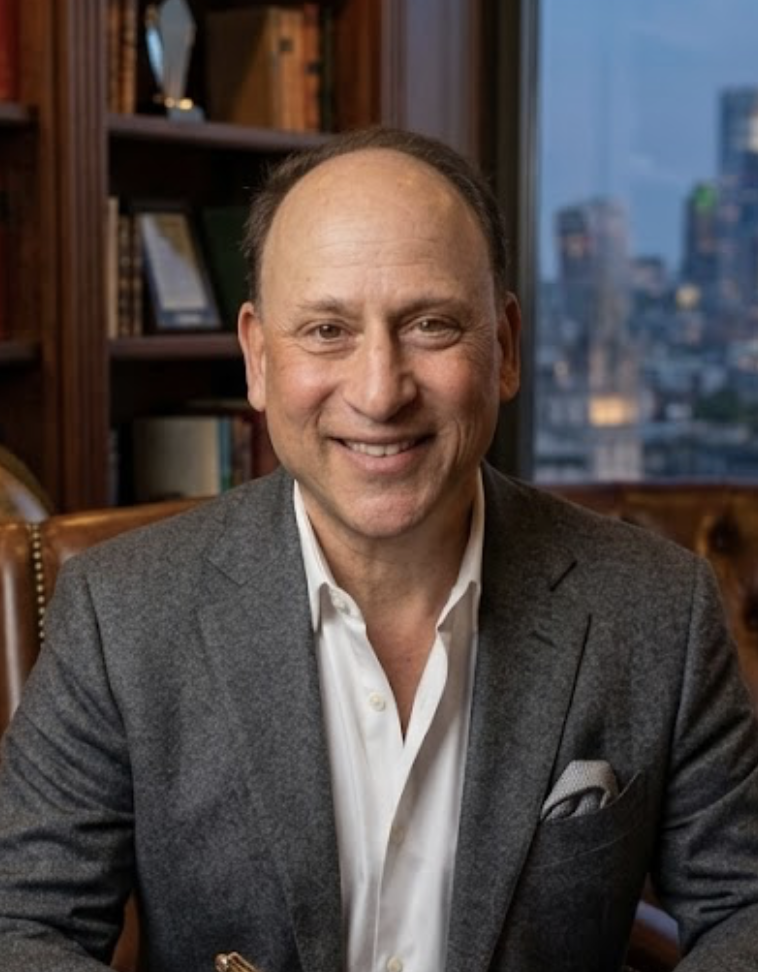
Speechwriting, narrative strategy, humor, and performance coaching for high-stakes moments. Clear storytelling first. Comedy where it helps the message land. The words have to work. The room has to move.

Tom Hanks, Meryl Streep, Steven Spielberg, Tina Fey, and Anthony Fauci — along with dozens of other household names and Fortune 500 executives — have spoken words I wrote.
The producers and comms heads who hire me know that high-stakes rooms aren’t won by gravitas alone. They’re won by clear narrative, emotional connection, and humor that lands.
I’m a communications consultant for executives, founders, authors, and nonprofit leaders — the people whose words have to do real work: move a donor, convince a board, close an investor, rally a team, win a room.
Behind the practice sit twenty-five years of the same craft worked four different ways: as an actor figuring out why one line lands, a screenwriter shaping how it reads on the page, an acting coach to A-list talent on the days when the stakes were highest, and a speechwriter for more than fifty charity galas and tribute events.
The through line across all of it is the same skill: figuring out who someone really is, what they actually mean, and shaping that into a clear narrative delivered in their own voice — with clarity, warmth, authority, and, when useful, humor — so they walk off the stage, out of the meeting, or away from the mic having achieved what they came to do.
I also work privately with performers preparing for awards, hosting, and on-camera appearances, and with individuals facing the biggest speaking moments of their personal lives — weddings, milestone celebrations, eulogies, and toasts they only get one shot at.
Most speeches fail not because the ideas are bad, but because the speaker never shaped them into a narrative the audience could emotionally follow. Before a room laughs, it has to care. Before it cares, it has to understand where it’s being taken.
Humor humanizes. It draws the audience in. It gets a room that arrived scattered onto the same emotional page. The comedy works because the underlying storytelling works.
Most companies have brilliant communications teams. They handle the strategy, the message architecture, the long-game work that’s their specialty — and they’re often the ones who call me. What they don’t have on staff, by design, is a comedy writer.
I write the jokes. I coach the performance. Whether I’m working alongside the comms team from a blank page, or punching up what’s already drafted, the goal is the same: a moment the speaker can land in their own voice.
The stiffest person in the room can be funny — because the humor I write is built around your voice and your sensibility, not mine. And a “joke” isn’t always setup-and-punchline; often it’s a turn of phrase, an unexpected word choice, a single beat of self-awareness that earns the room’s trust.
I’ve spent three decades as a working actor analyzing why one line lands and another dies, years coaching A-list actors on comedy, and three seasons as the on-set comedy coach for an NBC sitcom. I write the joke that fits your mouth — and I make sure you’re comfortable delivering it.
It’s one craft, pointed in different directions. Comedy and emotion run on the same things — timing, specificity, the speaker being honest in front of strangers.
A joke is a beat of tension that releases as laughter. A moving moment is a beat of tension that releases as recognition. Same buildup. Different exit.
Almost every eulogy worth hearing has a laugh in it. The laugh isn’t a break from the grief — it’s part of it. The room laughs and cries in the same minute because both responses come from the same place: the speaker just put the person back in the room with us.
The speeches I’m proudest of move people — sometimes through laughter, sometimes through silence. Often both.
Years as an acting coach to A-list talent — including three seasons as the on-set comedy coach for a network sitcom, plus the actors and speakers I’ve coached through tribute moments and high-stakes appearances that needed to land the first time.
Big egos. Last-minute rewrites. The kind of pressure that breaks most people. That’s the bench this work came up on.
The goal isn’t to make you an actor. It’s to make you better at being you. Most coaching disasters happen when the coach tries to turn the speaker into someone they’re not — louder, smoother, more polished, more “presentational.”
That’s the opposite of what works. The point is to find the version of you that wins the room, then rehearse it until you can deliver it on the day without thinking about it.
The proof of good coaching is simple: when you finish the speech, you know it landed. Not because the audience clapped — they will. Because you can feel the room having traveled with you the whole way.
From full-scale gala scripting to intimate personal moments, each engagement is customized to the room, the audience, and the stakes.
Complete scripting for major events: monologues, presenter intros, honoree remarks, transitions, closing remarks, and rehearsal support. Every voice distinct. Every beat intentional.
Keynotes, TED-style talks, investor presentations, board speeches, commencement addresses, and moments where the room truly matters.
Sharpening an existing draft, writing host banter, adding warmth, clarity, and humor that actually sounds like you.
Awards appearances, weddings, eulogies, milestone celebrations, and the once-in-a-lifetime speeches people never forget.
Across more than fifty charity galas, corporate and social events, words I’ve written have been spoken publicly by:
The best engagements begin with a short conversation about the room, the audience, and what the words need to accomplish.
Adam Kulbersh LLC respects your privacy.
Information submitted through this website, including contact forms and emails, may include your name, email address, company information, and any details you choose to share about your project or event. That information is used solely to respond to inquiries, communicate about potential engagements, and operate the business.
This website may use standard analytics or hosting tools that collect limited technical information such as browser type, device information, IP address, and general site usage data.
Your information is never sold.
Because much of this work involves sensitive communications, discretion and confidentiality are treated seriously. Confidential client information is not shared except as necessary to provide services or when legally required.
If you have questions about this policy or would like information removed, contact:
adam@adamkulbersh.com
Last updated: May 2026
The materials on this website are provided for general informational purposes only and do not constitute legal, financial, or professional advice.
All written content, branding, and original materials on this site are the property of Adam Kulbersh LLC unless otherwise noted and may not be reproduced without permission.
Submission of an inquiry through this website does not create a client relationship or guarantee availability for services.
Past clients, appearances, or event references do not guarantee future outcomes or results.
Adam Kulbersh LLC reserves the right to update website content and policies at any time.
adam@adamkulbersh.com
Last updated: May 2026